Child Development
Why Play Is the Most Important Thing We Do at Nursery
Written by Lisa, Owner & Manager at Little Starlings Nursery

Play is not a break from learning. It is how children under five make sense of the world, build relationships, and develop the skills they will carry with them long after they leave us.
I have worked in early years for a long time, and one thing I see again and again is that the richest learning happens not during structured activities, but in the moments in between. A child pouring water into a container and watching it overflow. Two children negotiating whose turn it is to be the dragon. A small person who has never climbed anything suddenly realising they can get to the top of the frame by themselves.
These moments look simple. They are anything but.
What children are actually doing when they play
When a child is playing, we tend to see the surface of it. The mess, the noise, the running about. What we are also watching, if we know what to look for, is:
- Language developing in real time. Children talk more freely when they are absorbed in play. They ask questions, narrate what they are doing, and negotiate with each other.
- Problem-solving in action. Whether it is a puzzle, a block tower that keeps falling, or working out how to share a toy, children are thinking hard.
- Emotional regulation being practised. Play involves frustration, disappointment, excitement, and recovery. Children learn to manage those feelings by living through them in a safe environment.
- Social skills being built. Taking turns, reading someone else's mood, making a friend, falling out and making up again. None of this can be taught from a chair.
Outdoor play matters more than we might think
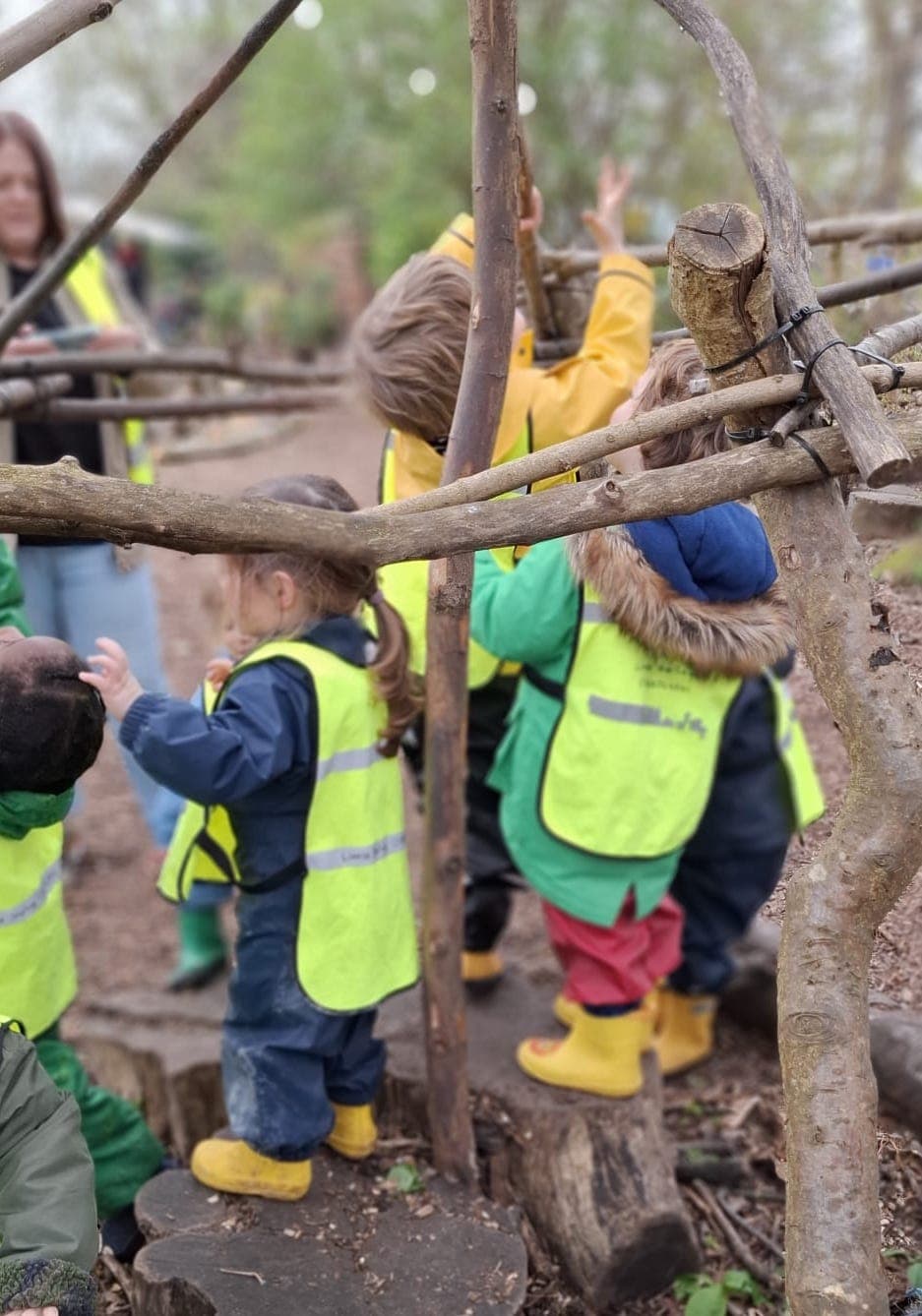
At Little Starlings, outdoor play is a big part of every day. We go outside in all weathers, within reason, and we notice a real difference in how children carry themselves after time in the fresh air. Gross motor skills, confidence, coordination, and a certain kind of calm that is hard to get indoors.
We also get out into the local area regularly. Children walk to Balham library, explore nearby green spaces, and go on termly outings including theatre trips, fire station visits, and mud club. These are not extras. They are part of how we help children understand that the world beyond the nursery gate is interesting, safe, and worth exploring.
Messy play and why we take it seriously
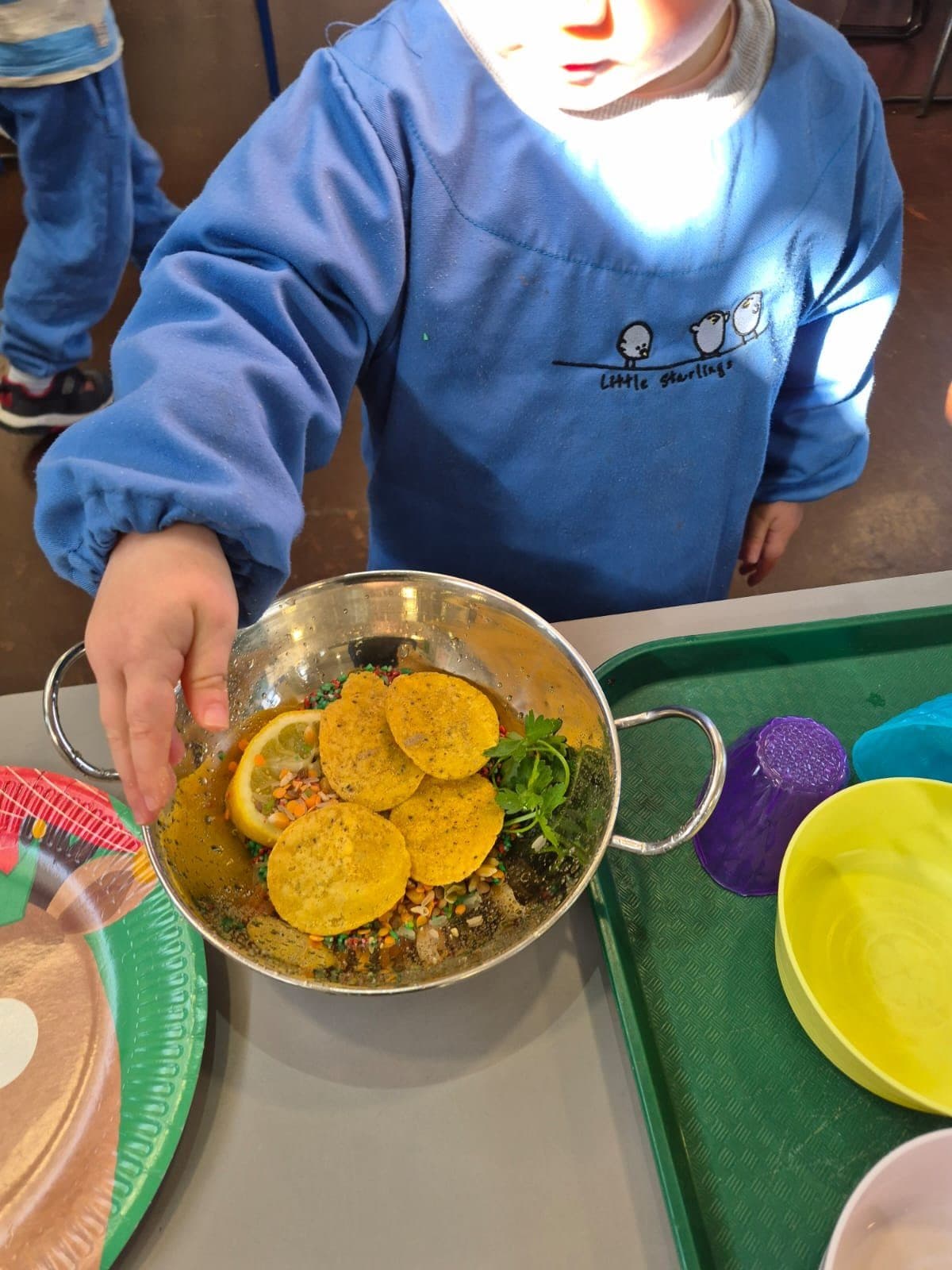
Parents sometimes smile when they see us putting smocks on before an activity. We use nursery smocks for messy play, and they are compulsory for good reason. Sand, paint, water, clay, gloop, mud. These materials are not just fun (though they are fun). They are genuinely important.
Sensory play builds neural connections. It helps children regulate their emotions. It supports fine motor development in a way that worksheets simply cannot replicate. When a child spends twenty minutes pressing their hands into clay and pulling it apart, something real is happening in their brain.
The role of the key person in play
Free play is not the same as unsupervised play. The way adults interact with children during play makes an enormous difference.
At Little Starlings, every child has a dedicated key person. One of the most valuable things a key person does is know a child well enough to follow their lead. They know which activities will stretch that child just enough, when to step in and when to hold back, and how to extend a moment of curiosity into something deeper.
We share what we observe through weekly updates on Tapestry, so parents can see what their child has been doing and understand why it matters. A photograph of your child completely absorbed in building a tower is also a small window into where they are in their development.
Play looks different at different ages
The children we care for at Little Starlings are aged 16 months to five years, and play looks very different across that range. A child of 18 months is mostly playing alongside others rather than with them. By three, you start to see genuine collaborative play. By four and five, children are creating elaborate scenarios, assigning roles, and managing quite complex social dynamics.
We plan our environment and activities to reflect where each child is, not where we think they should be. Some children are ready to charge ahead; others need more time and a quieter corner. Both are absolutely fine.
A final thought
When parents ask me what their child does all day, I sometimes say: they play. And then I explain what that actually means. By the end of the conversation, most parents understand that what looks like play is, in fact, everything.
If you would like to come and see how we work at Little Starlings Nursery Balham, we would love to show you around. You can meet the team, see the space and garden, and get a feel for the place. Book a tour and we will take it from there.
Come and see us for yourself
Book a relaxed tour of Little Starlings Nursery and meet our team.
Book a tourOther guides you might like
Choosing a Nursery
How to choose a nursery in Balham: what actually matters
Choosing the right nursery in Balham is one of the biggest decisions you'll make as a parent. This practical guide walks you through exactly what to look for, from staff qualifications to outdoor space, so you can feel confident in your choice.
Nutrition
Healthy Eating for Toddlers: What We See Working at Nursery
Getting toddlers to eat well can feel like a daily battle at home. Here's what we notice at Little Starlings, and some simple things that genuinely help.
Settling In
Your Child's First Week at Nursery: What to Expect at Little Starlings
Starting nursery is a big moment for your child and for you. Here is an honest, practical guide to what the first week looks like at Little Starlings Nursery in Balham.
Frequently asked questions
How does play help my child get ready for school?
Play builds the foundations that formal learning depends on: concentration, communication, resilience, and the ability to work with others. Children who have had rich play experiences tend to settle into school more easily, not because they have been taught to sit still, but because they are curious, confident, and used to working things out.
Is outdoor play safe in cold or wet weather?
We go outside in all weathers when it is safe to do so. Fresh air and physical movement are a genuine part of how young children develop. We ask parents to send children with a named coat, and we always use our judgement about conditions. A bit of drizzle has never done a nursery child any harm.
How do I know what my child has been doing at Little Starlings each day?
Every child has a dedicated key person who observes and supports their development. We share updates weekly through the Tapestry journal, so you can see photos and notes about what your child has been exploring. We also send termly reports covering progress and development in more detail.
What age range does Little Starlings Nursery in Balham accept?
We welcome children from 16 months to five years old. We also accept 15 and 30 hours government funding, which can significantly reduce childcare costs for eligible families. If you are not sure what funding you qualify for, it is worth checking before your child starts with us.