

Child Development
Why We Love Messy Play (And Why Your Child Does Too)
Written by Lisa, Owner & Manager at Little Starlings Nursery
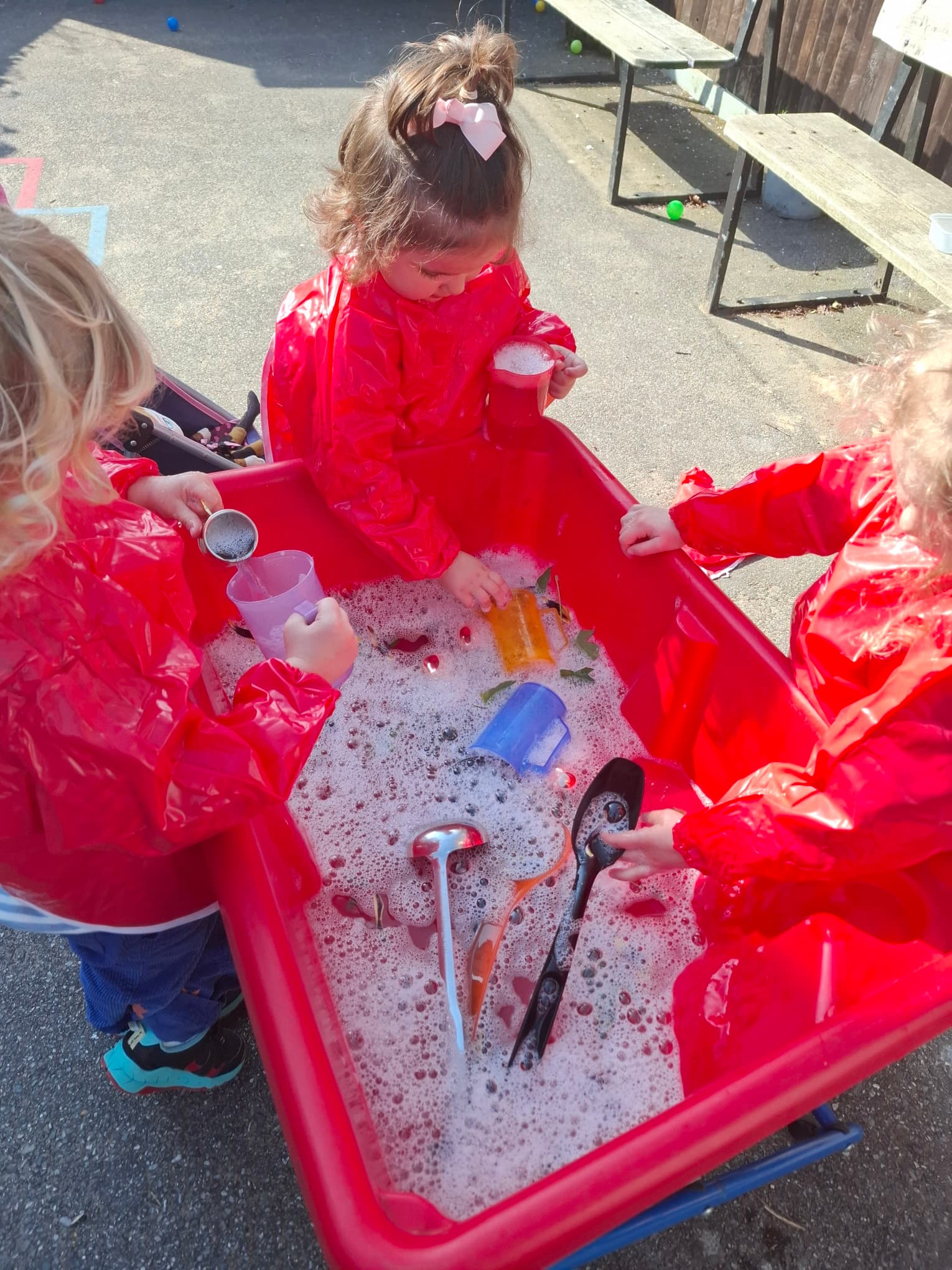
There's something wonderful about watching a toddler discover that paint makes marks, or that water changes when you add flour. Yes, it gets everywhere. Yes, you'll find sand in unexpected places for weeks. But messy play is genuinely one of the most valuable things we can offer young children - and we're passionate about it at our nursery in Balham.
When children engage in messy play, they're not just having fun (though they absolutely are). They're building neural pathways, developing confidence, and learning about how the world works through their senses. Let's explore why we believe it's so important.
What Happens in Messy Play?
Messy play includes things like:
- Painting, drawing, and mark-making
- Playing with water, sand, and mud
- Mixing and combining materials (flour, water, food colouring)
- Exploring natural materials like leaves and twigs
- Sensory experiences with different textures
It's unstructured, child-led, and gloriously unpredictable. There's no "right way" to do it - and that's exactly the point.
The Real Benefits
Sensory Development
Young children experience the world through their senses first. Messy play floods their developing brains with sensory information: the texture of wet sand, the smell of paint, the sound of water splashing. This builds crucial neural connections and helps them understand their environment.
Emotional Regulation
Messy play can be surprisingly calming. The repetitive motions of stirring, squishing, or pouring give children a safe way to process feelings and release energy. We've seen children who are anxious or overwhelmed become noticeably more settled after time in the messy play area.
Creativity and Problem-Solving
Without instructions or expected outcomes, children are free to experiment. They ask questions: "What happens if I mix these colours?" "Can I make this stick?" "What can I build?" These are the seeds of creative thinking and scientific curiosity.
Fine and Gross Motor Skills
Stirring, pouring, painting, and manipulating materials strengthens muscles and coordination. Spreading paint develops hand strength; digging in sand builds core stability; carrying water buckets engages large muscle groups. All crucial for later writing and physical development.
Confidence and Independence
Messy play is forgiving. If you "mess up," you simply start again. There's no failure - just exploration. This builds confidence and helps children feel safe taking risks, which is essential for learning.
Language Development
As children play messily alongside staff members, they hear and use rich language: "squishy," "dripping," "smooth," "gooey." They ask questions, narrate their play, and develop vocabulary in a natural, meaningful context.
Managing the Mess at Home
We know the thought of messy play at home can feel overwhelming for parents! Here are a few gentle suggestions:
- Start small: A shallow tray with paint or water limits the possible mess
- Choose contained spaces: Bathrooms or kitchens are easier to clean than carpets
- Use old clothes: Give children permission to get truly messy without worry
- Embrace it: Children can sense when adults are anxious about mess. Your relaxed attitude gives them permission to explore freely
At Little Starlings
Messy play is woven throughout our daily routine. We provide opportunities for sensory exploration every single day, because we believe it's not an add-on to learning - it's fundamental to how young children thrive. Our team watches carefully to notice what fascinates each child and builds on those interests.
If you'd like to see our approach to messy play in action, we'd love to welcome you for a tour of our nursery in Balham. You might even catch our children mid-masterpiece!
Get in touch to book a visit - we're always happy to chat about how we support your child's learning and development.
Come and see us for yourself
Book a relaxed tour of Little Starlings Nursery and meet our team.
Book a tourOther guides you might like
Child Development
Raising Bilingual Children in Early Years: What We See at Little Starlings
Many children at Little Starlings grow up hearing more than one language at home. Here is what we observe day to day, and how we support bilingual children to thrive.
Child Development
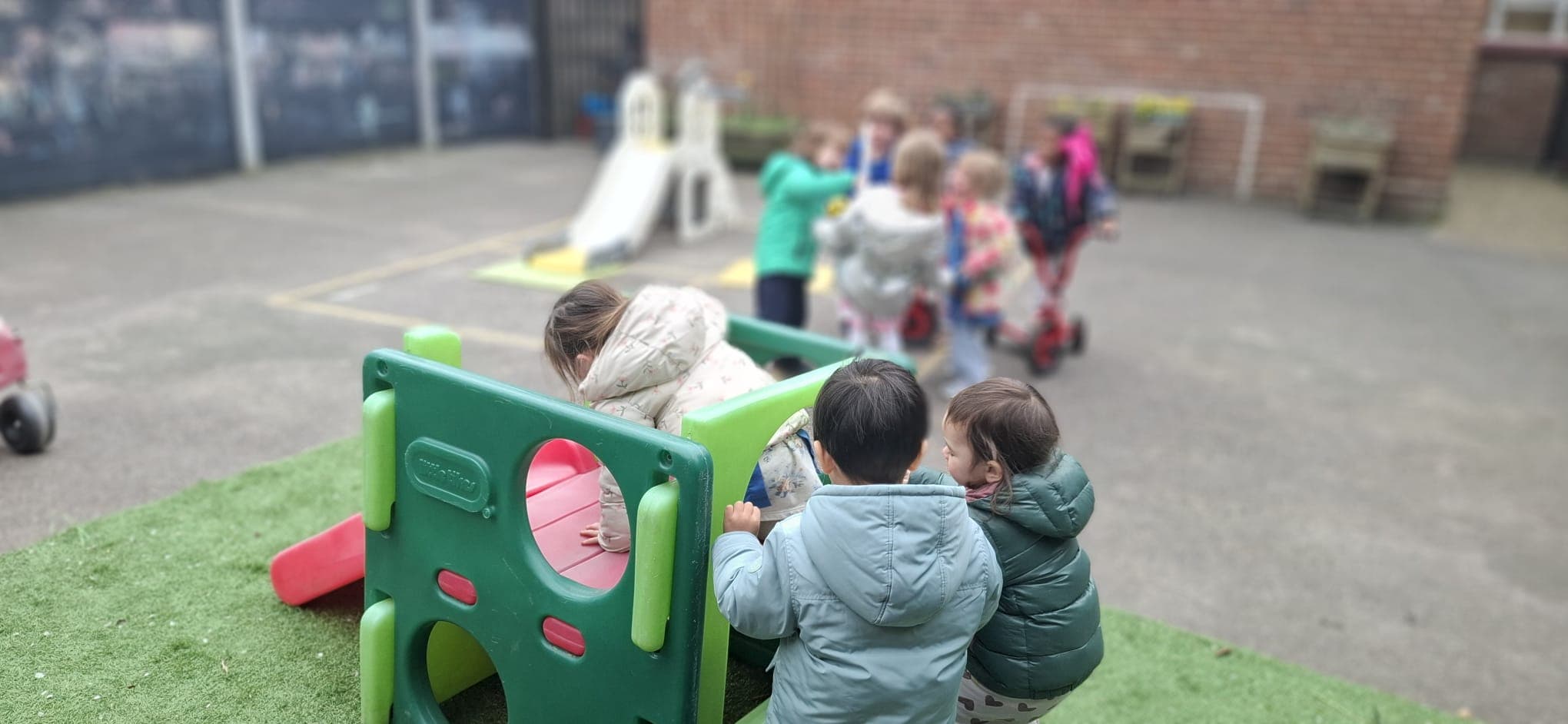
Why Daily Outdoor Play Matters for Young Children, and How Our Balham Nursery Makes It Work Year-Round
Outdoor play is essential for children's physical, emotional and cognitive development. Find out why Little Starlings Nursery prioritises outdoor time every single day, whatever the weather brings.
Child Development
How Children Make Friends at Nursery (and How You Can Help at Home)
Making friends is one of the most important skills children develop at nursery. Here's what happens in the classroom and what you can do to support your child's social development at home.