Child Development
Why Mixed-Age Learning Works: What We See Every Day at Little Starlings
Written by Lisa, Owner & Manager at Little Starlings Nursery
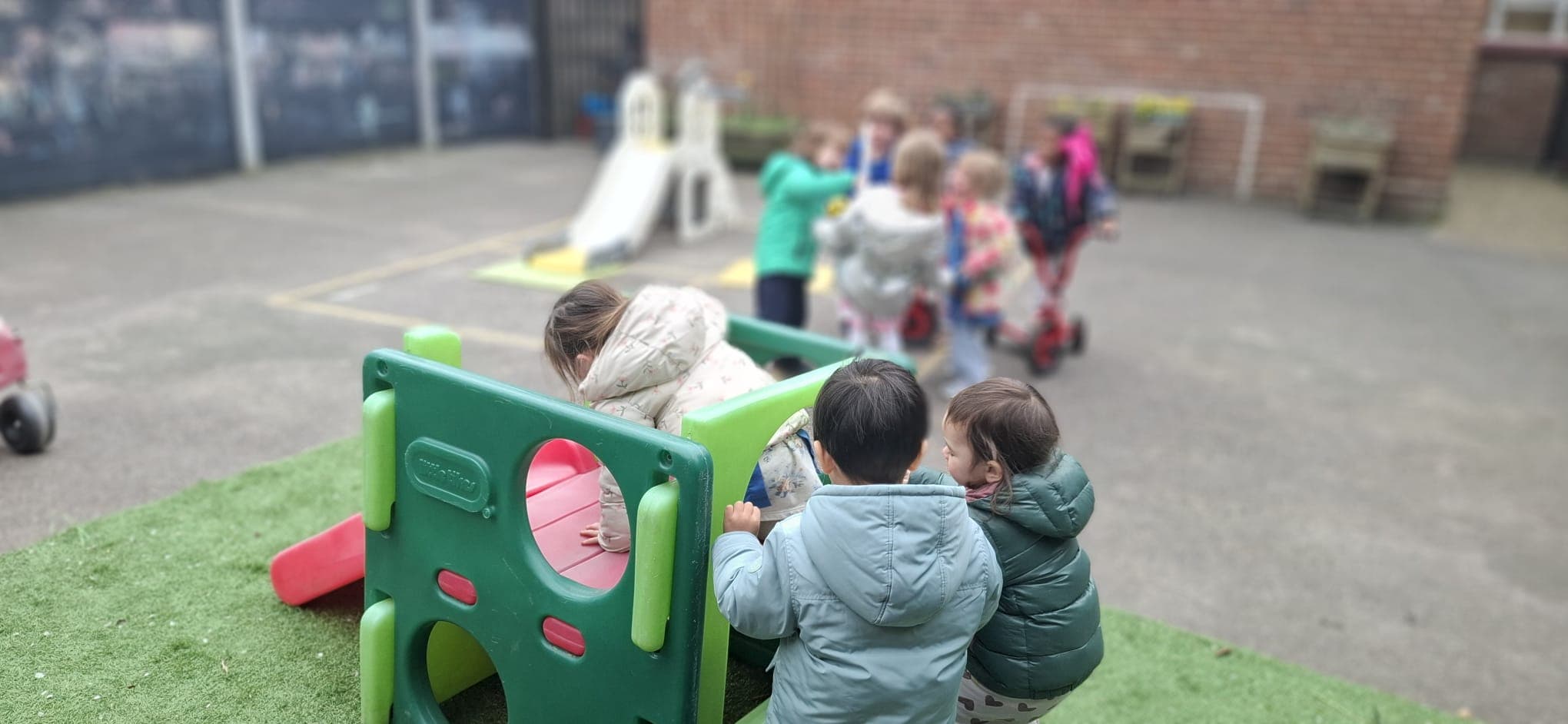
When parents visit us for the first time, one of the things they often notice is how naturally the children interact with each other across different ages. A three-year-old patiently showing a younger child how to use the water table. A two-year-old watching intently as an older child builds a tower, then having a go themselves. These moments happen all the time here, and they are not accidental. They are one of the reasons we value mixed-age grouping so much.
What mixed-age learning actually looks like
At Little Starlings Nursery Balham, our children range from 16 months to 5 years old. That age spread means that at any point during the day, you might see a child who is just finding their confidence alongside one who is preparing for school. Rather than treating that as a challenge to manage, we see it as something genuinely valuable.
In practice, mixed-age learning shows up in small, everyday moments:
- A younger child copies the language and play of an older peer, picking up words and ideas they would not yet encounter in a same-age group
- An older child takes on a quieter leadership role, explaining, demonstrating or simply including a younger one in their game
- Children who are naturally shy often find it easier to connect with a younger child first, which builds their confidence gradually
- Older children consolidate their own understanding by explaining things in simple terms
We find that the social learning in these mixed moments is often richer than anything we could plan directly.
The role of the key person
Mixed-age grouping only works well when each child is genuinely known as an individual. That is why every child at Little Starlings has a dedicated key person who knows their stage of development, their personality, and what they need on any given day.
The key person makes sure that a younger child is not overwhelmed in a busier group moment, and that an older child is still being stretched and challenged even when they are the most capable child in the room. It is a balancing act, but one we have a lot of experience with.
What the children actually gain
From what we observe every day, children in mixed-age settings tend to develop a few things particularly well.
Language and communication. Younger children are surrounded by a wider range of vocabulary and more complex conversation than they would hear in a same-age room. We regularly notice younger children picking up phrases and expressions from older peers weeks before we might typically expect to see that language.
Empathy and social awareness. Older children learn to adjust how they communicate depending on who they are talking to. They become more patient, more aware of others, and more confident in a quiet leadership role. These are qualities that serve them well when they move into school.
Resilience and independence. Younger children see what is possible. They watch older children manage tasks, navigate disagreements, and try things again after they have not worked. That modelling is powerful in a way that adult demonstration often is not.
A sense of belonging. Because our groups are consistent and children attend a minimum of two sessions per week, they genuinely know each other across age groups. That familiarity builds a real sense of community within the nursery.
Outdoors, this really comes into its own
Some of the best mixed-age learning we see happens outside. Our outdoor time is a significant part of the day at Little Starlings, and the garden is where children tend to self-organise most naturally. Older children lead games, younger ones follow and adapt, and the whole group builds something together that none of them could have managed alone.
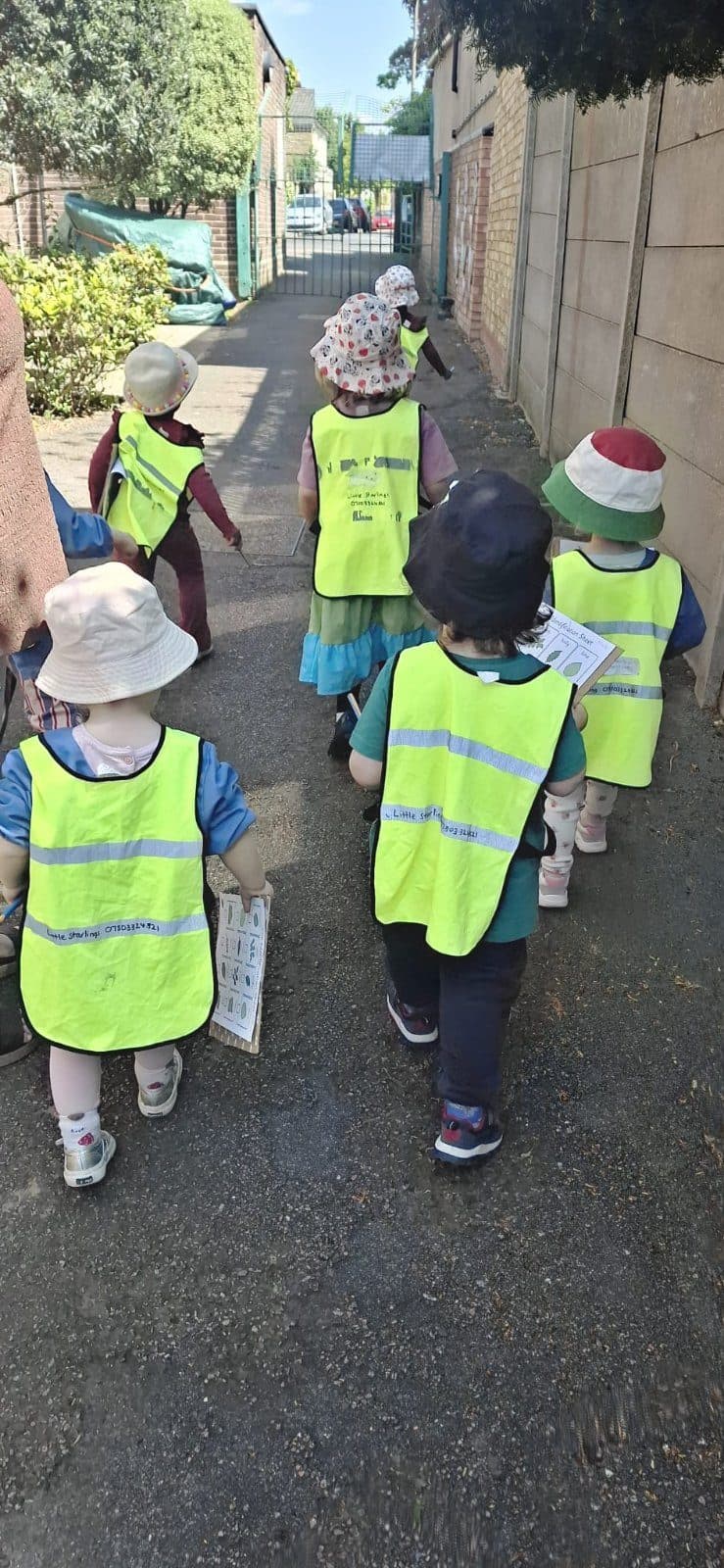
On our local walks around Balham and into nearby green spaces, the mixed-age dynamic works particularly well. Children look out for each other, hold hands with younger ones on the pavement, point out things they find interesting. It is the kind of learning that the EYFS statutory framework describes under personal, social and emotional development, but in our experience it happens most authentically when you step away from a structured activity and simply give children the space to be together.
A note for parents of older children approaching school
Some parents wonder whether being in a mixed-age group holds back children who are closer to school age. In our experience, the opposite is true. The responsibility, communication skills, and quiet confidence that older children develop in a mixed group are exactly what helps them settle well into a Reception class. They are used to navigating different ages, adapting their behaviour to context, and looking out for others.
Those are not small things. They matter a great deal in a school environment.
Come and see for yourself
The best way to understand how this works in practice is to come and spend some time with us. You can book a show-around at a time that suits you, meet the team, see the space, and watch how the children interact.
Come and see us for yourself
Book a relaxed tour of Little Starlings Nursery and meet our team.
Book a tourOther guides you might like
Child Development
Why We Go Outside Every Single Day: The Case for Outdoor Learning in Early Years
At Little Starlings Nursery, we believe outdoor time isn't a bonus activity. It's fundamental to how children learn, develop and thrive during their early years.
Child Development
Pre-Writing Activities for Toddlers at Home
Pre-writing activities for toddlers aged 2 to 5 - the foundational shapes children need to master before letters, and the activities that make building those skills genuinely enjoyable.
Child Development
Screen Time and Young Children: What We See at Nursery
Parents often ask us about screen time, and how much is too much for young children. Here is what we notice day to day at Little Starlings, and some practical thoughts for families.