

Child Development
Raising Bilingual Children in Early Years: What We See at Little Starlings
Written by Lisa, Owner & Manager at Little Starlings Nursery
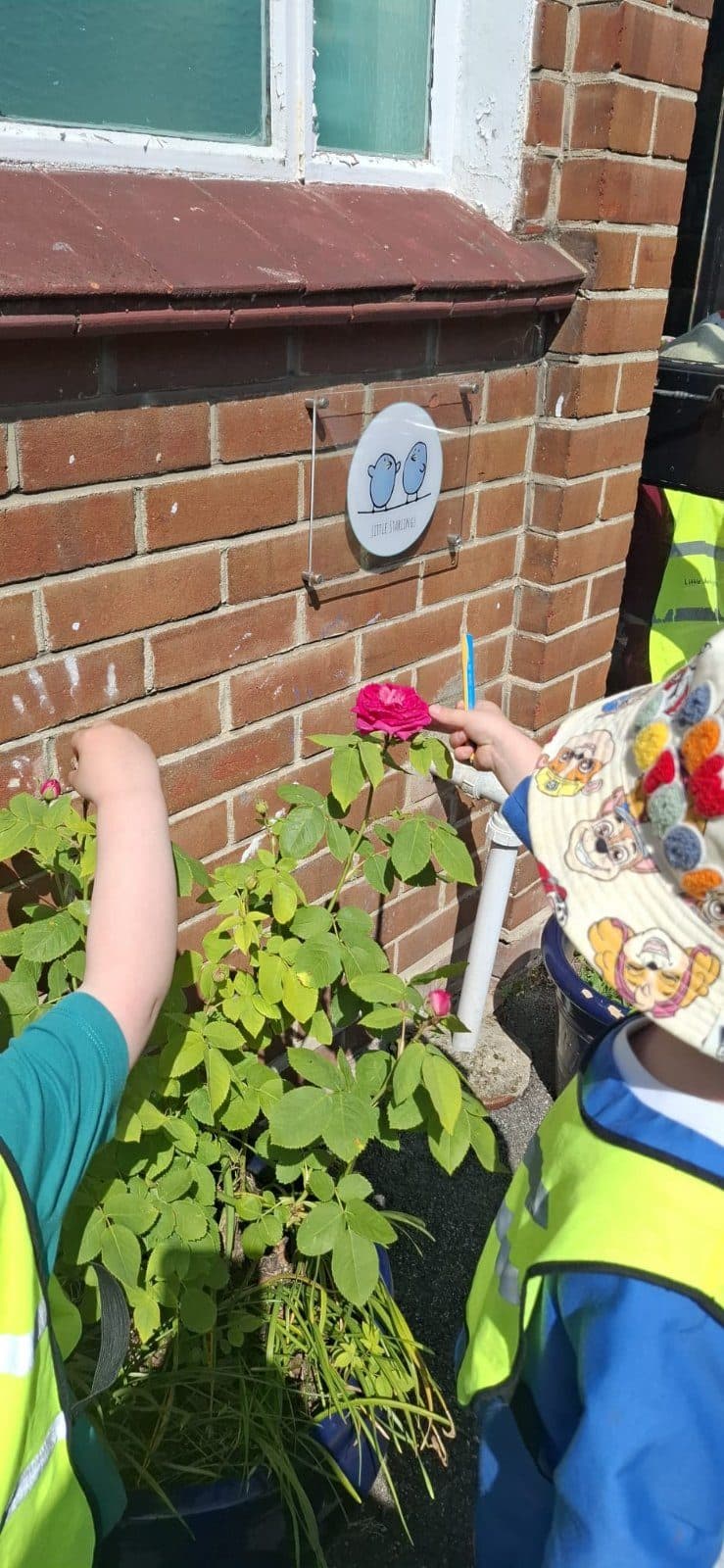
Many of the families we welcome at Little Starlings Nursery Balham are raising their children with two or more languages. It is something we see regularly across our community in Balham, Tooting, and the surrounding areas, and it is one of the things that makes our nursery such a rich and interesting place to be.
If you are raising a bilingual child, you may have wondered whether nursery will help or hinder that process. From what we see every day, the answer is reassuring.
What bilingual development actually looks like
One of the most common things parents mention when they first visit us is that their child seems to mix languages, or that they appear quieter than expected when they start nursery. This is completely normal, and in our experience it is usually temporary.
Children who are learning two languages at the same time are doing something genuinely complex. They are not confused. They are working hard. What can look like a delay or a muddle is often simply the brain organising a much bigger task than a child learning one language alone.
We often see bilingual children go through a quieter phase when they first join us, sometimes called a silent period, where they are listening and absorbing before they begin speaking freely. At Little Starlings, we do not rush children through this. Our key person approach means each child has someone who knows them well, notices what they are taking in, and gives them the time and space they need.
How we support bilingual children day to day
We do not have a one-size-fits-all approach, because bilingual children are not a one-size-fits-all group. A child who speaks Portuguese at home and is just beginning to hear English is in a very different place from a child who has been switching between Urdu and English since birth.
What we focus on is relationship first. When a child feels safe and known by their key person, language follows. Some of the things we find helpful include:
- Welcoming home languages genuinely. If a child says a word in their home language, we do not correct them or redirect. We acknowledge it and build from there.
- Talking with parents about the words and phrases their child uses at home. Simple things, like how a child asks for water, or what they call their favourite toy, help us connect with them faster.
- Using visual cues, gesture, and routine to help children feel confident even before their English is fully established.
- Reading books together in our small groups, which gives children repeated exposure to language patterns in a relaxed setting.
Our trips to the local library are particularly lovely for this. Hearing stories read aloud, browsing books, and sitting together in a calm space all support language development in a very natural way.
What parents sometimes worry about
Parents often ask us whether speaking a language other than English at home will slow their child down before school. We understand why this feels like a concern, but from what we observe, it is not something to worry about.
Children who have a strong foundation in their home language tend to transfer skills across to English more readily. The stronger the roots, the better. We always encourage parents to keep speaking their home language with confidence at home. That is not working against nursery. It is working alongside it.
Some parents also worry that their child will feel different or left out. Again, in our experience, children are far less focused on language difference than adults tend to be. What children respond to is warmth, consistency, and feeling like they belong. That is what we build from the start through our Calm Start settling in programme.
Settling in when your child is bilingual
Our Calm Start programme is designed to follow your child's lead, and this matters especially for bilingual children who may need a little longer to find their footing in a new language environment. Sessions begin at around an hour and build gradually. There is no fixed timeline. Some children settle within a week. Some take a little longer, and that is entirely fine.
We keep in close contact with parents through our Tapestry journal, so you can see what your child is doing, what they are saying, and how they are connecting with other children and staff. If there is anything we notice that we think is useful for you to know, we will share it.
A community where many languages are spoken
One of the things I genuinely value about working in Balham is the mix of families we meet. Many children here grow up with grandparents who speak a different language, parents who move between two languages in a single conversation, or home lives where English is one part of a bigger picture.
That is not a challenge to navigate. It is a strength to build on.
If you would like to come and see how we work, meet the team, and get a feel for the nursery, we would love to show you around. You can book a tour directly on our website, and we will find a time that suits you.
Come and see us for yourself
Book a relaxed tour of Little Starlings Nursery and meet our team.
Book a tourOther guides you might like
Child Development
Why Daily Outdoor Play Matters for Young Children, and How Our Balham Nursery Makes It Work Year-Round
Outdoor play is essential for children's physical, emotional and cognitive development. Find out why Little Starlings Nursery prioritises outdoor time every single day, whatever the weather brings.
Child Development
How Children Make Friends at Nursery (and How You Can Help at Home)
Making friends is one of the most important skills children develop at nursery. Here's what happens in the classroom and what you can do to support your child's social development at home.
Child Development
What We Learn About in Our Summer Term
What Little Starlings Balham nursery focuses on during the summer term - animals, farm life, growing things, outdoor learning, and how parents can extend the learning at home.
Frequently asked questions
Will learning two languages at the same time slow my child's development?
From what we observe, bilingual children are not delayed. They are managing a more complex task, and that takes time. A strong foundation in the home language actually supports English development. We encourage parents to keep using their home language with confidence and let us support English at nursery.
My child has a quiet period and does not speak much at nursery. Should I be concerned?
A silent or quieter phase is very common in bilingual children starting a new environment. It usually means they are listening and processing before they begin speaking. We find that once children feel settled and safe with their key person, language tends to open up naturally and quite quickly.
How does Little Starlings support bilingual children when they are settling in?
We use our Calm Start programme, which follows each child's lead with no fixed timeline. For bilingual children we also ask parents early on about words and phrases their child uses at home. That helps us connect with children faster and makes them feel recognised from the very first session.
How will I know how my child is getting on with language and communication at nursery?
Each child at Little Starlings has a dedicated key person who tracks their progress closely. We share weekly updates through the Tapestry journal and send termly reports on development. If we notice anything useful about how your child is communicating, we will share it with you directly and promptly.