Child Development
What We Learn About in Our Summer Term
Written by Lisa, Owner & Manager at Little Starlings Nursery
What We Learn About in Our Summer Term
The summer term at Little Starlings is always one of our favourites. Longer days, more time in the garden, and a curriculum full of topics that children find genuinely captivating. Here is a closer look at what we focus on and how you can extend the learning at home.
Animals and Where They Live
One of our main summer focuses is animals - what they look like, where they live, what they eat, and what their babies are called. We explore the difference between animals you might find on a farm, in a garden, in the wild, and under the sea.
Questions we love exploring with the children at Little Starlings include:
- What noises do different animals make?
- Do they have feathers, fur, scales or smooth skin?
- What do they eat, and who do they need to hide from?
- What are their babies called (calf, lamb, foal, cub)?
- Where do they sleep?
These conversations develop language and understanding of the world in ways that feel natural and exciting rather than like formal learning. Children at this age are naturally curious about living things - the summer term is when we really lean into that.
How to extend at home: A visit to London Zoo, Battersea Park Children's Zoo, or Dean City Farm in Merton gives these conversations a real anchor. Even a walk on Clapham Common can turn into an animal observation session - squirrels, robins, pigeons and foxes are all fair game.
Farm Life
Farm topics are a huge hit with our Balham children. We talk about where milk comes from, what animals lay eggs, how fruit and vegetables grow, and what happens between the field and the supermarket shelf.
Understanding where food comes from is a brilliant early foundation for healthy eating habits, curiosity about the natural world, and a sense of connection to things beyond a child's immediate environment.
Activities we do at nursery:
- Planting and growing vegetables in our garden (radishes, peas and sunflowers in summer)
- Simple cooking sessions using vegetables the children recognise
- The glove milking activity - a perennial favourite
- Making a food journey from field to plate using simple drawings
How to extend at home: Visit a greengrocer and let children choose a vegetable to prepare. Plant a tomato or sunflower seed on a windowsill. Read books like What the Ladybird Heard or Look Inside a Farm.
Growing Things in Our Garden
Our outdoor garden at Little Starlings is central to summer term learning. Each year the children plant seeds, watch them sprout, water them, and eventually harvest something edible. There is nothing quite like seeing a child eat a pea they have grown from a seed - the pride is enormous.
We also observe what happens in the garden as the season changes: which insects appear, what the birds are doing, how the plants and trees look different from one week to the next.
Summer Itself: Talking About Seasons and Change
We also focus on summer as a season - holidays, sunshine, the seaside, what changes in the garden when the weather is warmer. Children bring their own experiences to these conversations: some are going to the coast, some to grandparents' houses, some are spending the summer in London.
The discussions are always rich with imagination. A child who has never been to the seaside can still describe it in remarkable detail after hearing others talk about it, and that is precisely the kind of vicarious language development that group learning does well.
Outdoor Learning Every Day
Whatever the topic, our outdoor garden in Balham SW12 is central to summer term learning. Children observe insects, grow things in our garden area, and spend as much time as possible in the fresh air.
Research is unambiguous on the value of outdoor time for young children: it reduces cortisol, supports physical development, improves attention, and gives children a different kind of problem to solve than anything indoors can provide.
What to Expect at the End of Summer Term
By the end of summer term, most children at Little Starlings will:
- Know the names and sounds of at least a dozen animals
- Be able to name five or six baby animals correctly
- Understand that plants grow from seeds and need water and light
- Have tried at least one food they grew themselves
- Have developed a genuine curiosity about living things
These are not test outcomes - they are the natural result of good conversations, thoughtful activities, and lots of time outside.
If you would like to see how we bring these themes to life at Little Starlings, book a tour and come and see us.
Come and see us for yourself
Book a relaxed tour of Little Starlings Nursery and meet our team.
Book a tourOther guides you might like
Child Development
Why Mixed-Age Learning Works: What We See Every Day at Little Starlings
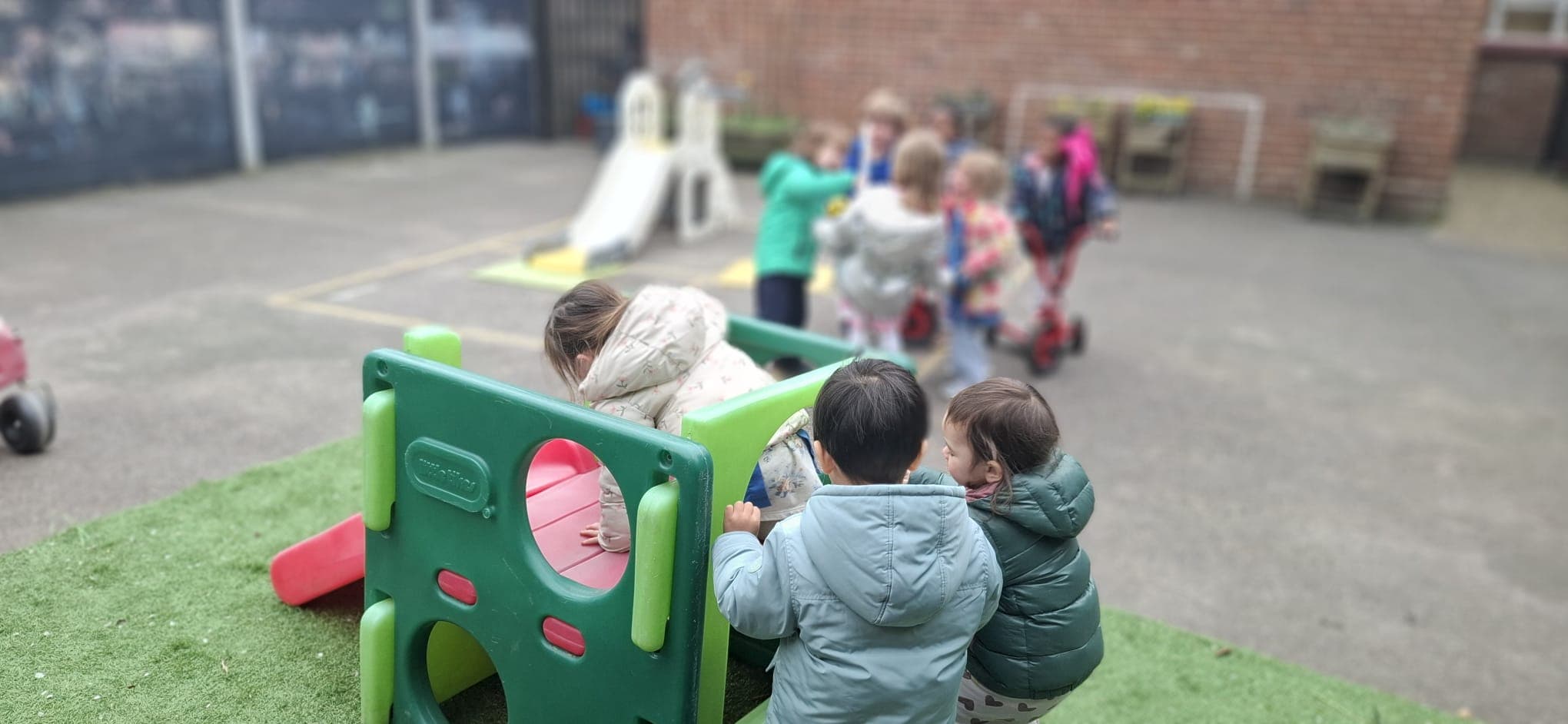
At Little Starlings in Balham, our children learn alongside peers of different ages every day. Here's why that matters, and what we actually observe happening in our rooms.
Child Development
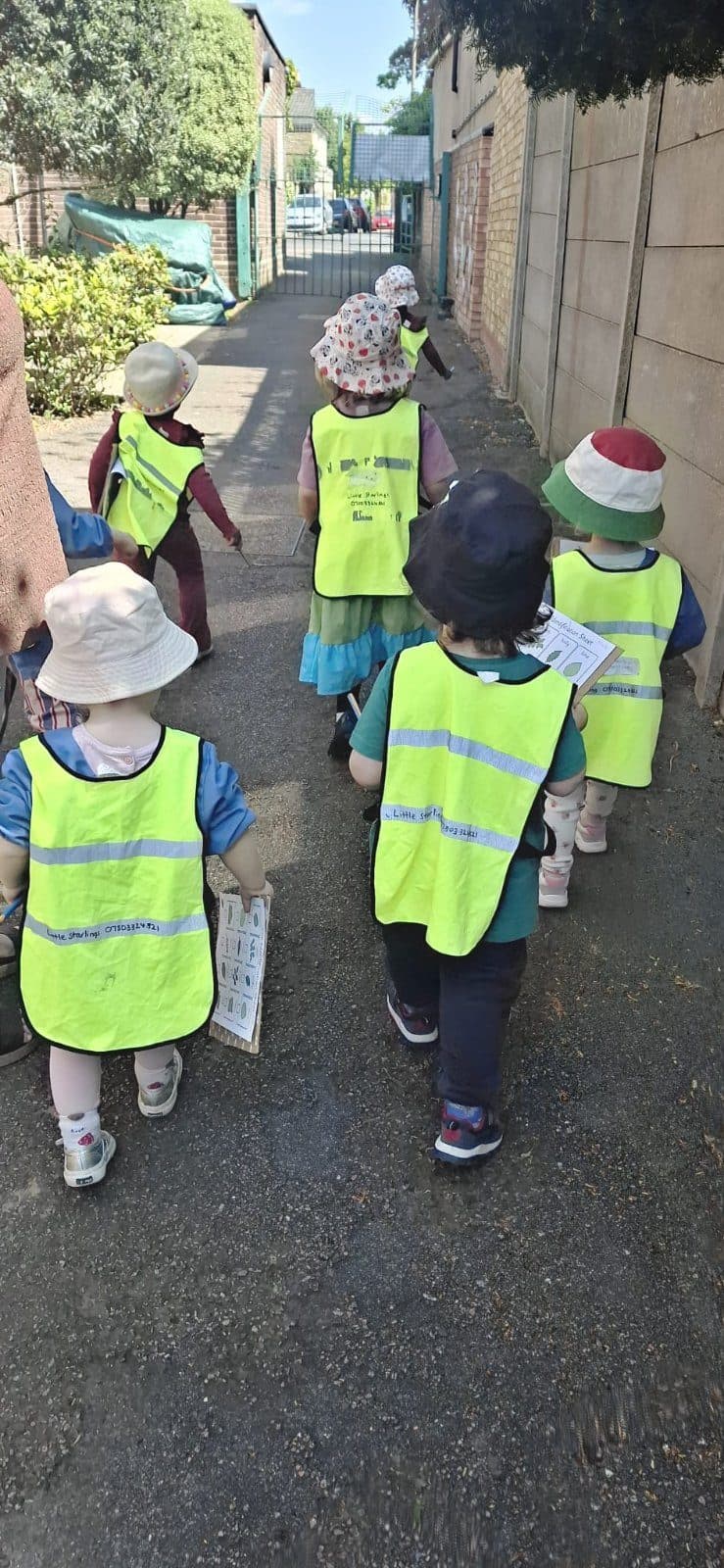
Why We Go Outside Every Single Day: The Case for Outdoor Learning in Early Years
At Little Starlings Nursery, we believe outdoor time isn't a bonus activity. It's fundamental to how children learn, develop and thrive during their early years.
Child Development
Pre-Writing Activities for Toddlers at Home
Pre-writing activities for toddlers aged 2 to 5 - the foundational shapes children need to master before letters, and the activities that make building those skills genuinely enjoyable.