Child Development
Why Play is the Foundation of Early Learning
Written by Lisa, Owner & Manager at Little Starlings Nursery
Play: Children's Most Important Work
When you watch a toddler stacking blocks or a four-year-old building an imaginary shop, you're witnessing genuine learning in action. Play is how children aged 16 months to 5 years develop the skills they'll need for school and beyond, yet it's often underestimated in our results-driven world.
At Little Starlings Nursery in Balham, we've organised our days around play because we understand that children don't learn best from worksheets or instruction. They learn through exploration, repetition, and trying things out in a safe space.
How Play Supports Development
Play affects every area of a child's growth:
- Physical development. Climbing, running, and balancing through outdoor play build gross motor skills. Threading beads or painting develops fine motor control needed for writing later on.
- Emotional development. Through play, children recognise and express feelings. Playing house or shop lets them act out everyday situations and build confidence.
- Social skills. When children play together, they learn to share, take turns, resolve conflicts, and work as part of a group.
- Cognitive development. Problem-solving, creativity, and imagination flourish through play. A cardboard box becomes a castle, a rocket, or a shop.
- Language. Whether playing alone or with others, children develop vocabulary, listening skills, and communication through play.
Different Types of Play Matter
Children benefit from a variety of play experiences:
Imaginative play allows children to explore roles and scenarios. Dressing up, pretend cooking, and role-play areas support emotional development and creativity.
Physical play builds strength, coordination, and confidence. Running, climbing, and dancing are essential for gross motor development.
Constructive play with blocks, Lego, or natural materials develops problem-solving skills and spatial awareness.
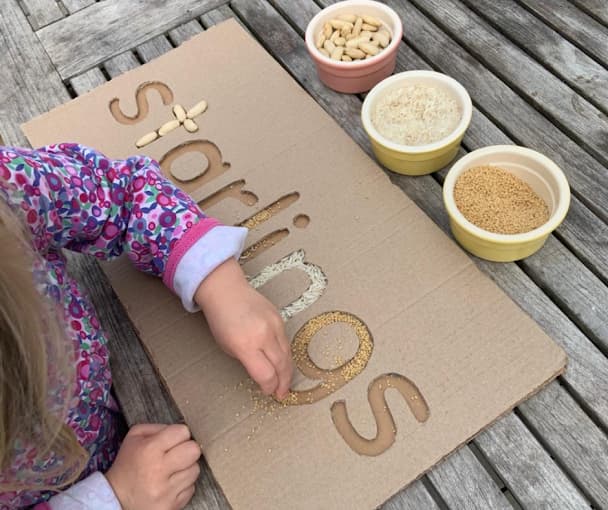
Sensory play with sand, water, paint, or playdough supports fine motor skills and helps children explore the world through their senses.
Quiet play with books, puzzles, or drawing helps children develop focus and concentration.
Creating Space for Play
At home and at nursery, children need time and space to play freely. This means resisting the urge to direct every moment or rush to the next activity. Some of the most important learning happens when children are allowed to play without constant adult guidance.
That's not to say adults play no role. We're there to observe, ask open-ended questions, extend thinking, and ensure play remains safe and inclusive. Sometimes the best thing we can do is step back and let children lead.
Play Prepares Children for School
You might wonder if all this play means children won't be ready for school. The evidence says the opposite. Children who've had rich, play-based experiences tend to develop better concentration, social skills, and emotional resilience. These are exactly what school readiness looks like.
Supporting Play at Home
You don't need expensive toys. Some of the best play happens with everyday items, outdoor spaces, and time with you. Open-ended materials like cardboard boxes, blankets, or craft supplies spark more creativity than ready-made toys.
If you'd like to know more about how we support play-based learning at Little Starlings Nursery, we'd love to show you around. Book a tour and see our thoughtfully organised spaces where children learn through play every single day.
Come and see us for yourself
Book a relaxed tour of Little Starlings Nursery and meet our team.
Book a tourOther guides you might like

Child Development
Why Play Is the Most Important Thing We Do at Nursery
Play is not a break from learning. At Little Starlings Nursery in Balham, it is how children learn everything that matters most.
Choosing a Nursery
How to choose a nursery in Balham: what actually matters
Choosing the right nursery in Balham is one of the biggest decisions you'll make as a parent. This practical guide walks you through exactly what to look for, from staff qualifications to outdoor space, so you can feel confident in your choice.
Nutrition
Healthy Eating for Toddlers: What We See Working at Nursery
Getting toddlers to eat well can feel like a daily battle at home. Here's what we notice at Little Starlings, and some simple things that genuinely help.