Activities
Who's in the Garden: A Scavenger Hunt for Little Ones
Written by Lisa, Owner & Manager at Little Starlings Nursery
Who's in the Garden: A Scavenger Hunt for Little Ones
Scavenger hunts are one of those activities that feel exciting to children but are genuinely developmental too. This one focuses on the minibeasts and wildlife you are likely to find in a typical London garden or local park - no specialist kit required.
Why Scavenger Hunts Are Brilliant for Young Children
Before you set off, it is worth knowing what children are actually getting out of this. Scavenger hunts develop:
Observation skills. Children have to look carefully and slowly rather than rushing about. This kind of focused attention is a genuine skill that benefits them in all areas of learning.
Scientific vocabulary. Words like habitat, camouflage, creature, insect and minibeast become meaningful when children encounter the real things they describe.
Counting and matching. A checklist gives children a matching task - find the real thing, tick the picture. Simple, but satisfying and genuinely useful for early literacy and maths.
Patience. Insects do not always appear on demand. Learning to wait quietly and watch carefully is a skill many young children find surprisingly difficult - and rewarding to develop.
Physical development. Getting down low to look under leaves, moving carefully so as not to disturb creatures, lying on stomachs to peer at worms - all of this is physical learning in disguise.
How to Set It Up
All you need is a simple checklist of things to look for (draw or print pictures if your child is not yet reading), a magnifying glass if you have one, and some outdoor space. A small notebook for drawings is a lovely addition. Even a window box or a few plant pots will do - the goal is careful looking, not quantity of finds.
Set a few simple rules before you start: move slowly, look before touching, try not to frighten anything.
What to Look For
Encourage children to look in different places: under stones, in the soil, on flowers, under leaves, near the base of walls, and up in trees.
In most London gardens you might find:
- Bees
- Worms
- Spiders
- Ladybirds
- Butterflies
- Blackbirds
- Squirrels
- Robins
- Snails
- Woodlice
- Aphids
- Ants
Some Fascinating Facts to Share
Bees have five eyes and six legs. The fuzz on their bodies is designed to attract pollen like velcro.
Worms have no eyes, legs or arms - yet they are one of the most important creatures in the garden. They eat dead leaves and turn them into rich compost.
Spiders have eight legs, while insects have six - which is how you can always tell them apart.
Ladybirds are actually a type of beetle. The spots tell predators that they taste horrible.
Butterflies attach their eggs to leaves using a special natural glue that only they produce.
Robin eggs are a beautiful light blue colour. Robins are famously territorial and will sing loudly to warn other robins away.
Ants can carry fifty times their own body weight. If a human could do the same, we could lift a small car.
Great Questions to Ask
These questions are worth keeping in mind as you explore together:
- Is it furry, slimy, scaly or smooth?
- How many legs can you count?
- Does it jump, run, fly or crawl?
- Where do you think it lives when we are not looking?
- What do you think it eats?
- Is it a baby or a grown-up? How can you tell?
- Do you think it is scared of us?
This kind of conversation develops observation skills, patience, vocabulary and early scientific thinking - all while simply being outside.
After the Hunt
Bring the learning back inside by:
- Drawing pictures of the creatures you found and labelling them
- Making a simple nature journal with pressed leaves alongside creature drawings
- Looking up one interesting fact about whatever you found most interesting
- Watching a short clip of an earthworm moving or a bee collecting pollen - children are often genuinely amazed
Local Spots for a Nature Hunt Near Balham
The good news for Balham families is that you are surrounded by brilliant green spaces. Clapham Common and Tooting Bec Common both have areas of long grass and hedgerow where minibeasts are easy to find. Wandsworth Common has a nature area near the pond that is wonderful for younger children. Even the streets of SW12 have surprising wildlife once you start looking carefully.
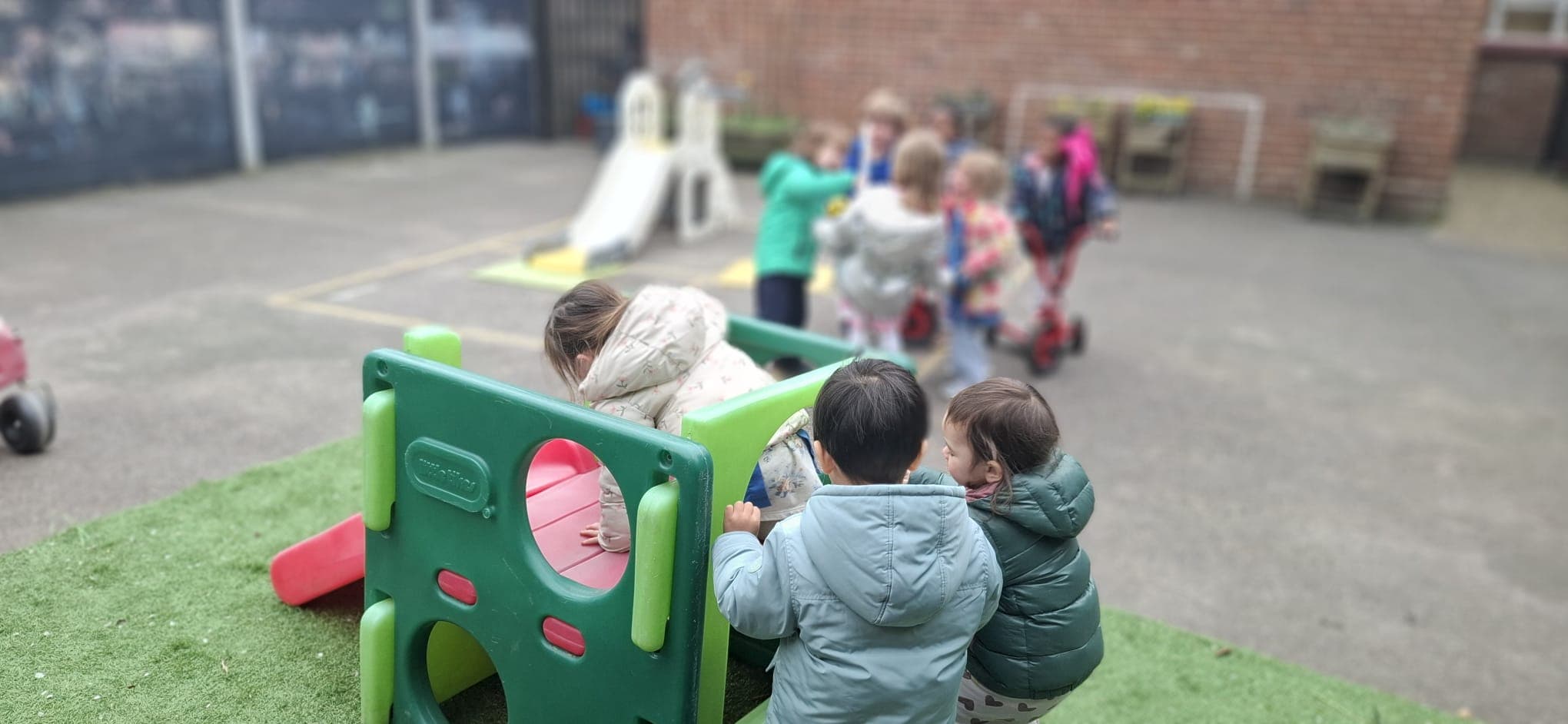
We spend time in our Balham nursery garden every single day, whatever the weather, and the children's curiosity about the natural world never gets old. If you would like to come and see Little Starlings for yourself, book a tour.
Come and see us for yourself
Book a relaxed tour of Little Starlings Nursery and meet our team.
Book a tourOther guides you might like
Child Development
Why We Love Messy Play (And Why Your Child Does Too)
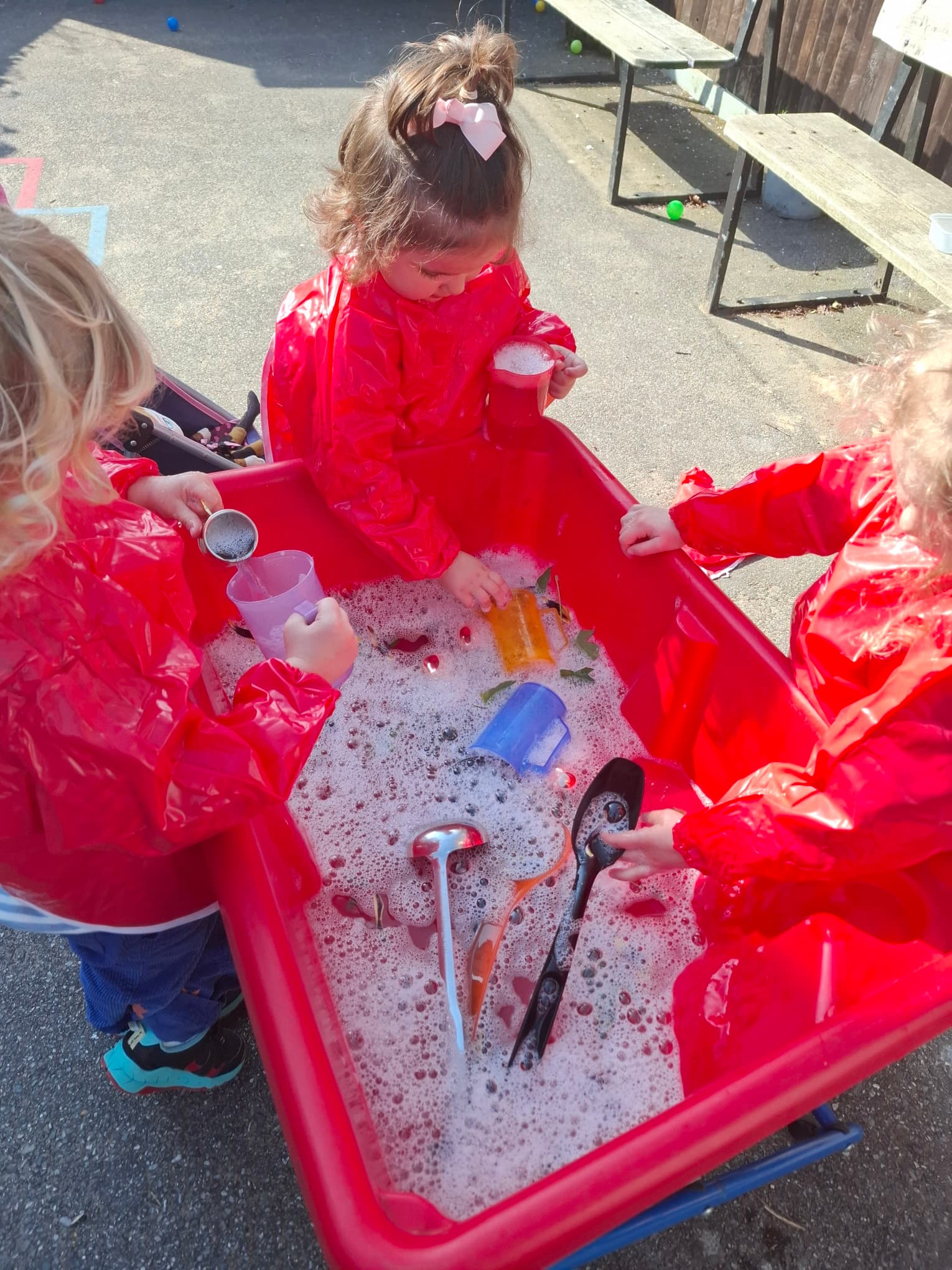
Messy play might look chaotic, but it's one of the most important ways children learn and grow. Discover why we embrace the paint, mud, and flour at Little Starlings - and how it benefits your child's development.
Child Development
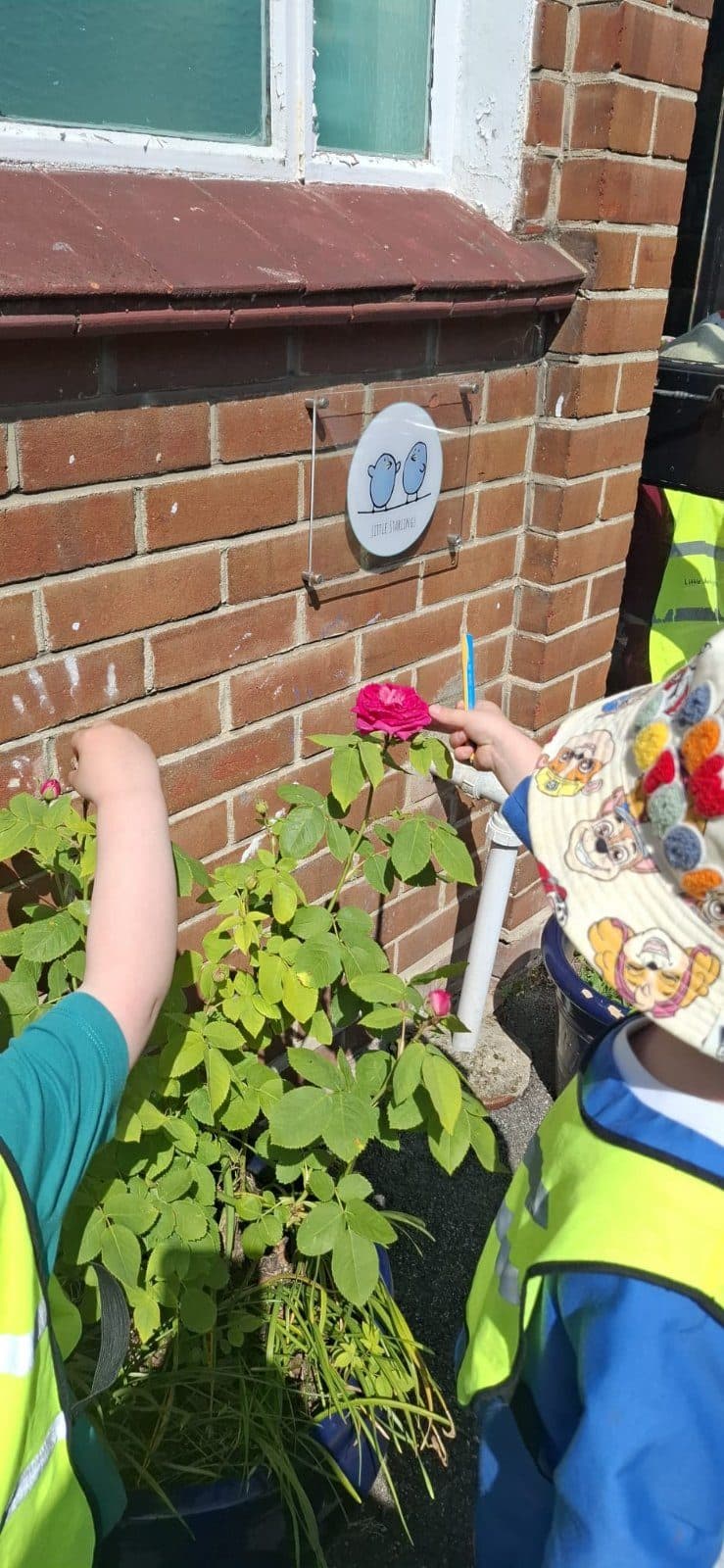
Raising Bilingual Children in Early Years: What We See at Little Starlings
Many children at Little Starlings grow up hearing more than one language at home. Here is what we observe day to day, and how we support bilingual children to thrive.
Child Development
Why Daily Outdoor Play Matters for Young Children, and How Our Balham Nursery Makes It Work Year-Round
Outdoor play is essential for children's physical, emotional and cognitive development. Find out why Little Starlings Nursery prioritises outdoor time every single day, whatever the weather brings.