Why Social Skills Matter in the Early Years
When children are learning to navigate the world around them, friendships and social interactions play a vital role. Between 16 months and 5 years, your child is developing the skills they'll rely on for the rest of their lives, from sharing and taking turns to recognising emotions and communicating their needs.
At Little Starlings Nursery Balham, we recognise that social development doesn't happen by chance. It requires thoughtful environments, patient adults, and plenty of opportunities to practise.
How Nurseries Create Social Learning Opportunities
Structured Group Time
Group activities, songs, and circle time give children a safe space to be around their peers. These moments teach children to listen, wait their turn, and participate as part of a group. They're also wonderful for building a sense of community.
Play-Based Learning
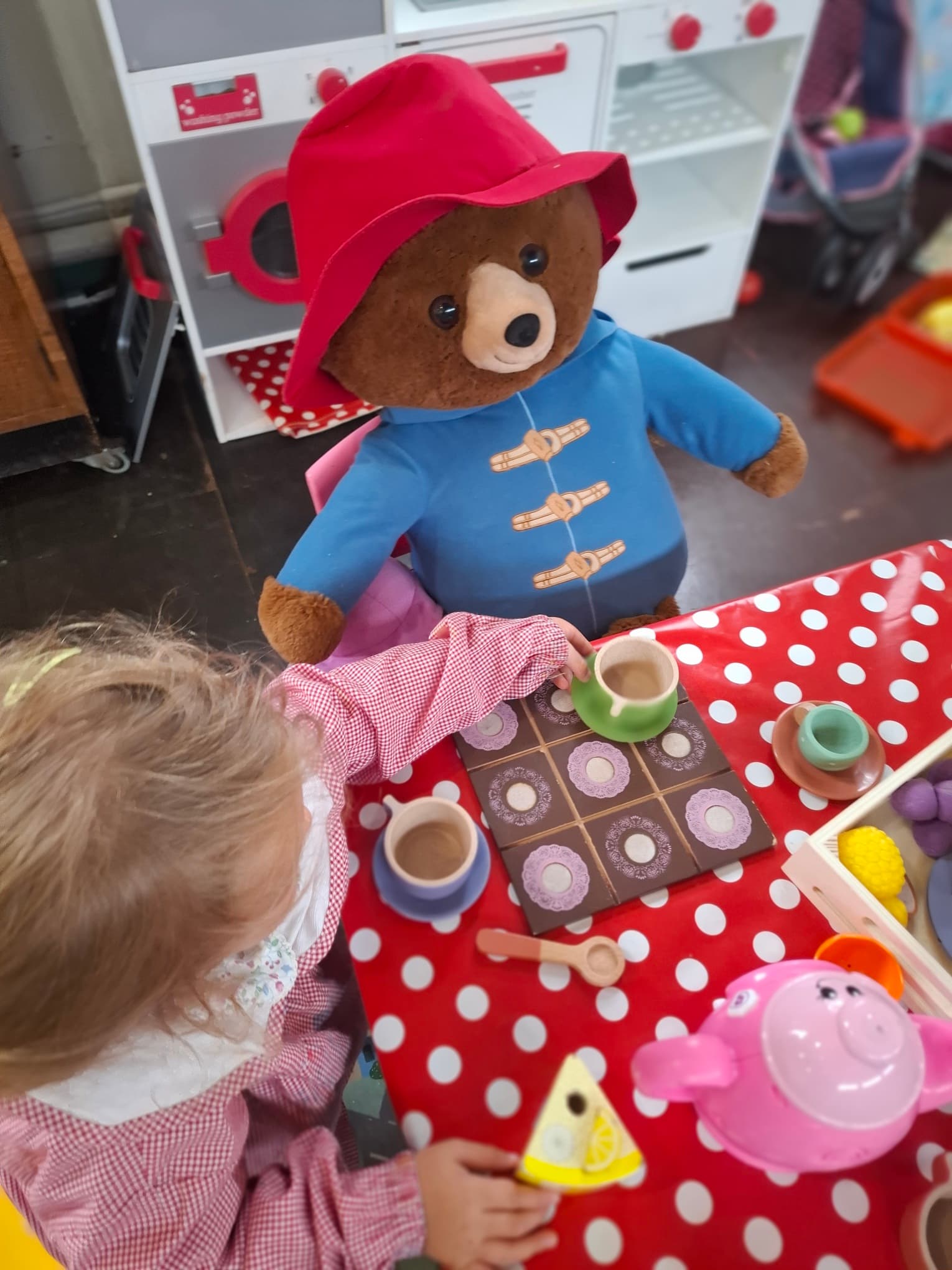
Much of social development happens through play. When children play together, they negotiate roles, problem-solve conflicts, and learn about each other's interests. Staff at nurseries guide this play gently, stepping in when needed to help children resolve disagreements or include quieter children.
Small Group Activities
Working in smaller groups allows children to form closer bonds with peers and receive more individual attention from staff. This builds confidence and helps children who are naturally shy or cautious.
What Parents Might Notice at Home
As your child develops socially, you may see changes like:
- Showing interest in other children's names and what they're doing
- Wanting to share observations about friends
- Demonstrating empathy ("Are you sad?") or concern
- Using words like "please" and "thank you" more consistently
- Attempting to join in with group games
These are all positive signs of growing social awareness.
Supporting Social Skills Outside Nursery
While nursery provides structured opportunities, families play an equally important role.
At home, you can encourage social skills by:
- Reading stories about friendship and emotions
- Naming feelings when they arise ("You look frustrated right now")
- Modelling kind behaviour and communication
- Creating space for unstructured play with other children
- Praising effort and kindness rather than just results
The Role of Emotional Understanding
Before children can truly engage socially, they need to understand their own emotions and recognise them in others. This is why nursery staff spend time helping children label how they're feeling. A child who can say "I'm upset" is already developing crucial communication skills.
Staff also help children understand that everyone has different preferences and feelings, which builds empathy and reduces frustration during social conflicts.
When Development Feels Uneven
Some children are naturally gregarious, while others need more time to warm up to groups. Both are completely normal. A good nursery will work at each child's pace, gently encouraging social participation without forcing it.
If you have specific concerns about your child's social development, nursery staff are experienced at spotting when a child might benefit from extra support or a different approach.
Building Confidence Together
The goal isn't to create a particular type of child, but to give each child the skills and confidence to form meaningful connections with others. At Little Starlings Nursery Balham, we see social development as one of the most important parts of early education.
Every friendship formed, every shared laugh, and every moment of cooperation is building your child's social foundation. If you'd like to see how we nurture these skills in practice, book a tour to visit us.
Come and see us for yourself
Book a relaxed tour of Little Starlings Nursery and meet our team.
Book a tour