Child Development
How Children Make Friends at Nursery (and How You Can Help at Home)
17 March 2026
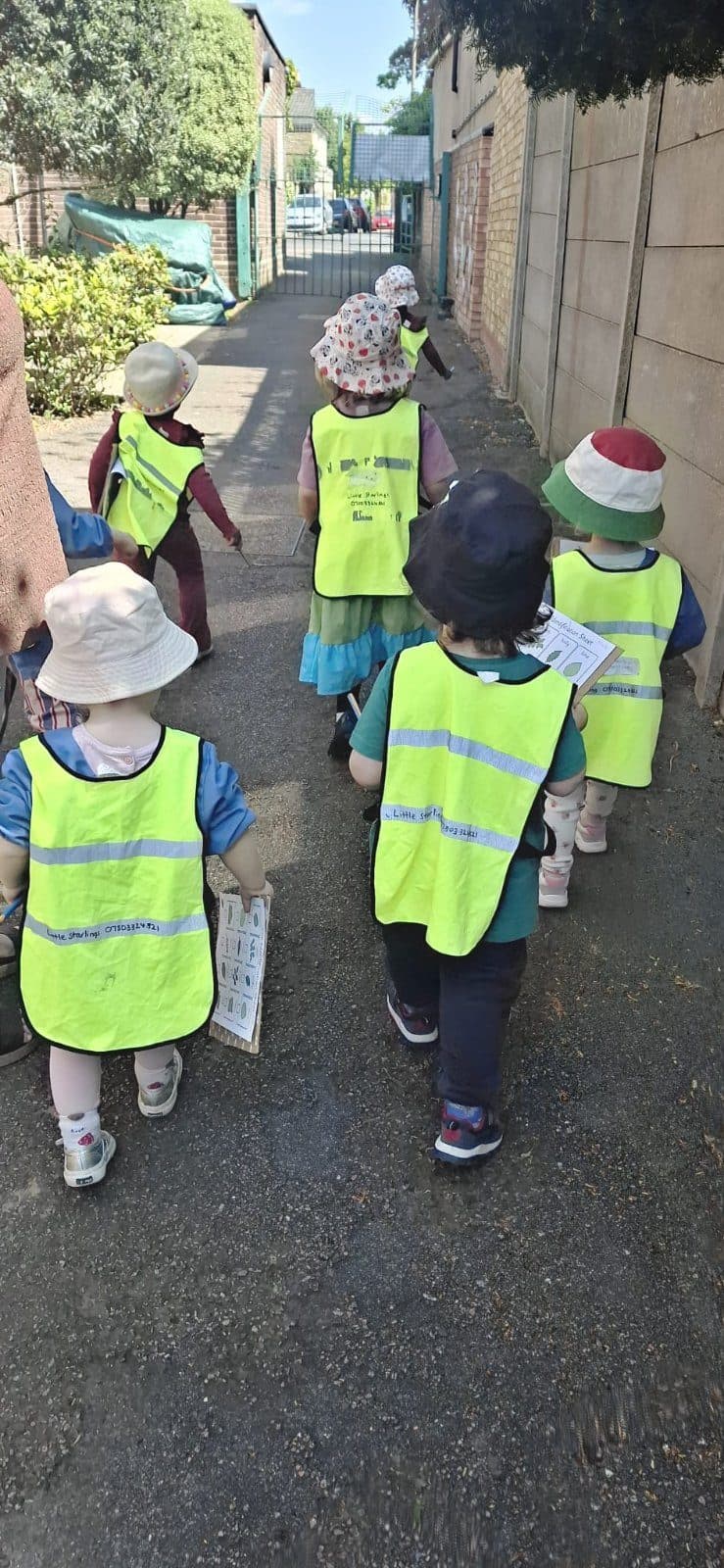
Friendship might seem simple, but for toddlers and young children, it's genuinely complex. At Little Starlings Nursery in Balham, we watch children navigate the delicate dance of joining in, sharing, and learning to enjoy each other's company. Some children are natural social butterflies by 18 months. Others need more time and gentle encouragement. Both are completely normal.
How friendships develop at nursery
In the early years, friendships often form around play rather than deep conversation. A two-year-old might decide someone is their "best friend" because they both love the sand pit. By three or four, children start to seek out particular playmates and notice when they're absent.
At nursery, children learn friendship skills through daily practice. They learn to take turns on the climbing frame, share the toy kitchen, and notice when another child is upset. They discover that grabbing doesn't work, but asking sometimes does. They experience the joy of making someone laugh and the sting of being left out.
Our staff at Little Starlings support this learning gently. We don't force friendships, but we do create opportunities. We might suggest a shy child join a group building with blocks, or help two children find a common interest. We narrate what we see: "Look, Maya, Theo is playing with the cars too. Would you like to build a garage together?"
The shy child, the confident child, and everyone in between
Some parents worry if their child hangs back from the group or clings to a staff member. This is often perfectly fine, especially in the first weeks or months. Children in Balham and across London have different temperaments. A quieter child might be observing, building confidence gradually. They might have one close friend rather than a wide circle, and that's valuable too.
Confident, outgoing children sometimes need help understanding boundaries and noticing other people's feelings. Both types of child benefit from a nursery environment where different personalities are recognised and supported.
What you can do at home
You don't need elaborate activities or classes. Real friendship skills develop through everyday life.
-
Model kindness and conversation. Children notice how you talk to other adults and how you treat people in shops, parks, and on the street in SW12.
-
Arrange low-pressure playdates. A quiet hour with one child from nursery, perhaps at home or in a local park, takes pressure off and lets friendships develop naturally.
-
Talk about feelings and friendships. "I noticed you felt sad when Arun didn't want to share. That's a tricky feeling. What could you do next time?"
-
Let them lead sometimes. Children learn best from play they've chosen themselves, not from structured activities.
-
Celebrate different friendships. Your child doesn't need to be friends with everyone, and that's okay.
-
Read books about friendship and feelings. Stories help children recognise emotions and think through social situations.
The bigger picture
Friendship skills developed now matter throughout life. Children who learn to join in, notice others' feelings, and navigate disagreements tend to manage relationships better as they grow.
Every child is on their own timeline. Some children thrive socially from day one at nursery. Others need weeks or months to settle and find their people. Both groups will usually flourish.
If you'd like to see how we support friendships and social development at Little Starlings in Balham, we'd love to meet you. Book a tour and spend time in our classrooms to see how children play and learn together.
Come and see us for yourself
Book a relaxed tour of Little Starlings Nursery and meet our team.
Book a tour